
Temporary Power Without Permanent Installation
Portable Generators in Abbeville for backup power during outages, outdoor work projects, and mobile job sites
Portable generators offer flexible power solutions when permanent standby systems aren't feasible or when you need electricity at remote locations away from grid access. Jake's Quality Services helps residential and commercial customers in Abbeville select units based on actual wattage requirements, fuel availability, and runtime expectations during storms or job site operations. Unlike standby systems, these units require manual startup and outdoor placement during use, but they cost significantly less upfront and can be moved between locations or stored when not needed.
Choosing the right portable generator depends on what you plan to power and how long you need it to run between refueling. Smaller units handle essential loads like refrigerators, lights, and phone chargers, while larger models support power tools, air compressors, and multiple appliances simultaneously. Safe operation requires outdoor placement at least fifteen feet from structures to prevent carbon monoxide buildup, proper grounding, and direct connection of appliances using heavy-duty extension cords rated for the load.
Request product recommendations based on your specific power needs and intended use cases.
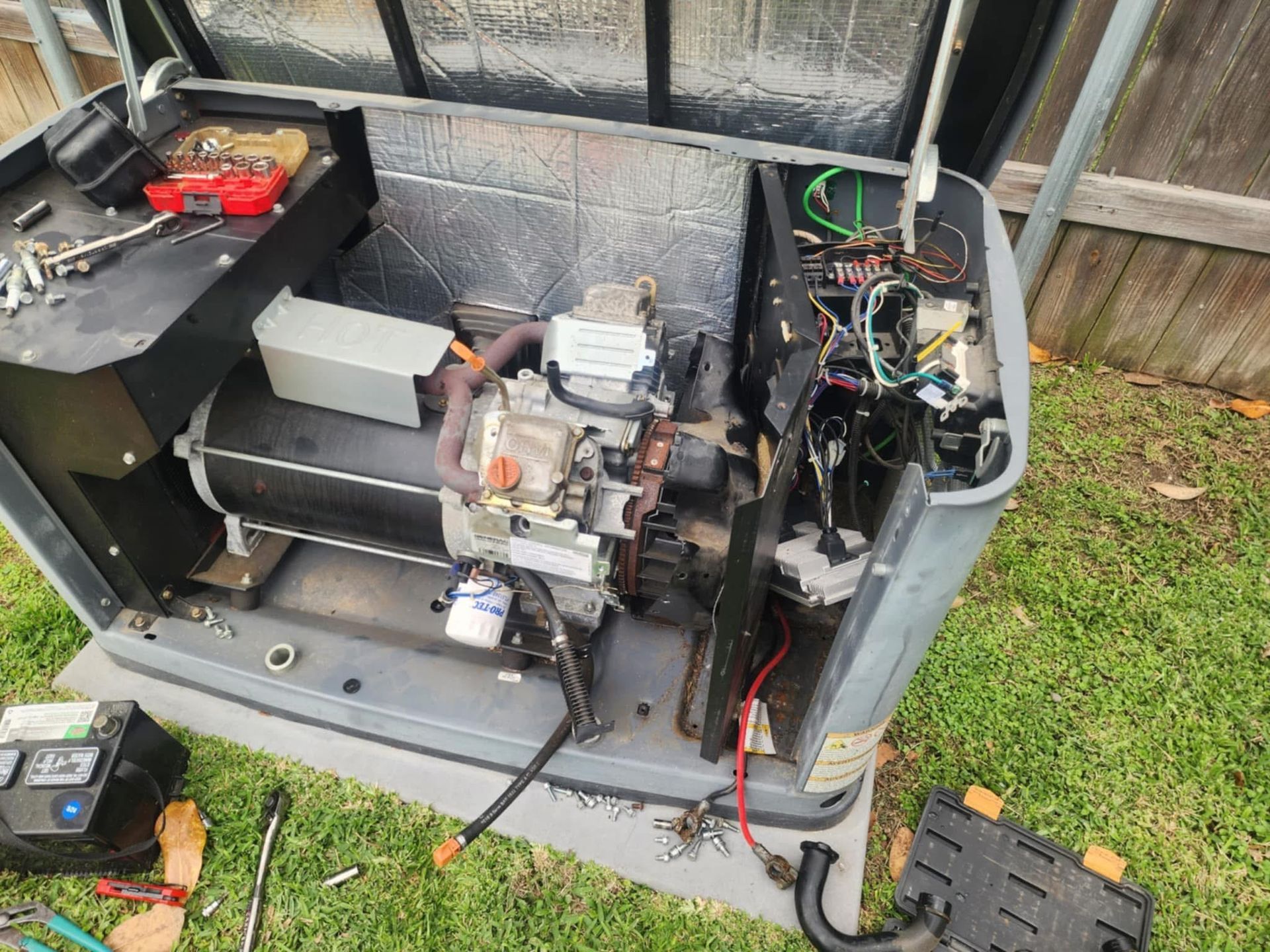
How Portable Units Differ From Standby Systems
Portable generators run on gasoline, propane, or dual-fuel configurations, with runtime determined by tank capacity and load demand. You'll need to monitor fuel levels and refuel during extended outages, which means storing gasoline safely and keeping the unit accessible during storms. Starting involves pulling a recoil cord or pressing an electric start button, then connecting appliances individually rather than powering your entire electrical panel through a transfer switch.
After setup, you control which devices receive power by plugging them directly into the generator's outlets or using a manual transfer switch for selected circuits. The unit runs continuously as long as fuel is available and the load remains within its rated capacity. You'll hear engine noise during operation, and you must shut down and cool the unit before refueling to prevent fire hazards.
Portable units require regular maintenance including oil changes, air filter replacement, and carburetor cleaning, especially if stored for months between uses. Fuel stabilizers help prevent carburetor clogging when gasoline sits unused, and periodic test runs ensure the unit starts reliably when you need it during an actual outage.
Common Questions About This Service
Customers evaluating portable generators often need guidance on sizing, fuel options, and safe operation before making a purchase decision.
What size portable generator do I need for basic home backup?
Calculate the running wattage of your refrigerator, freezer, a few lights, and phone chargers, then add thirty percent for startup surges—most homes need between 3,000 and 5,000 watts for essential circuits during short-term outages.
How long will a portable generator run on a full tank?
Runtime varies by load and tank size, but a typical 5,000-watt unit running at half capacity consumes roughly one gallon of gasoline every two to three hours, requiring refueling multiple times during day-long outages common in Abbeville after storms.
Why can't I connect a portable generator directly to my electrical panel?
Backfeeding through a standard outlet energizes utility lines outside your home, creating lethal conditions for line workers and neighbors, which is why transfer switches or individual appliance connections are the only safe methods.
When should I run my portable generator if it's been stored?
Start and run the unit under load for at least fifteen minutes every three months to circulate oil, verify carburetor function, and confirm that fuel hasn't degraded or clogged internal components.
What fuel type works best for portable generators?
Gasoline provides higher power density but degrades quickly in storage, while propane burns cleaner and stores indefinitely but delivers slightly less wattage per hour, making dual-fuel units the most versatile option for both emergency and planned use.
Jake's Quality Services stocks multiple portable generator models and provides guidance on capacity, fuel type, and accessory selection. Reach out to discuss availability and product options suited to your specific power requirements.