Safe Electrical Connections for Backup Systems
Generator Installation in Abbeville for new generator systems and replacement units requiring code-compliant electrical integration
Professional installation ensures your generator operates safely, meets local electrical codes, and activates correctly during power failures common throughout southwest Louisiana's storm season. Jake's Quality Services handles installations for both standby and portable generator systems, including transfer switch setup that prevents dangerous backfeeding into utility lines while automating the power transfer process during outages. The work involves positioning the unit according to manufacturer clearances, running electrical conduit to your main panel, connecting fuel lines, and testing the complete system under load to verify seamless operation when the grid fails.
Transfer switches serve as the critical link between your generator and home electrical system, physically disconnecting utility power before generator electricity enters your circuits. Automatic transfer switches monitor grid voltage constantly and initiate the switchover within seconds of detecting an outage, while manual versions require you to physically move a lever to select between utility and generator power. Both types prevent the simultaneous connection of two power sources, which would damage your generator, create fire hazards, and endanger utility workers restoring service outside your property.
Schedule installation services to complete electrical connections and system testing before storm season begins.
What You Notice Once Installation Is Finished
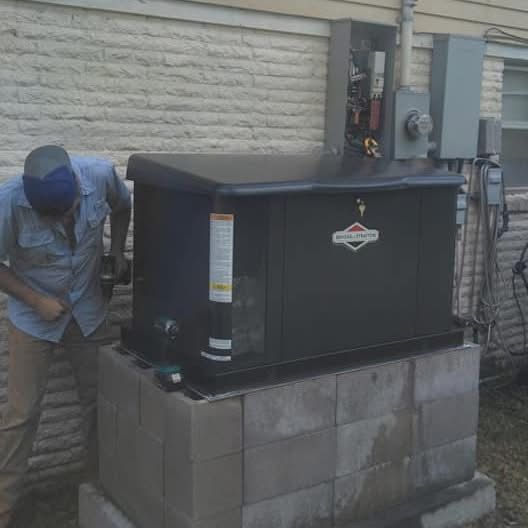
Properly installed generators sit on level concrete pads positioned to meet setback requirements from structures, property lines, and combustible materials while maintaining access for maintenance. Electrical connections run through weatherproof conduit to your transfer switch, which is mounted near your main panel with clear labels identifying circuits powered during outages. Fuel lines connect to your natural gas service or propane tank using appropriate regulators and shutoff valves that meet local building codes.
After installation, your generator performs a weekly self-test that runs the engine briefly to circulate oil and verify battery charge, ensuring readiness for actual outages. You'll hear this brief startup cycle, typically lasting five to ten minutes, which confirms the system remains operational between storms. When real power failures occur, the unit detects the loss within seconds, starts automatically, and begins supplying electricity to your backed-up circuits while the transfer switch prevents utility and generator power from mixing.
Installation work includes permitting and inspection by local authorities, ensuring all electrical connections meet National Electrical Code requirements for generator systems. This documentation protects you during insurance claims related to storm damage and verifies that the installation won't void equipment warranties or create liability issues if problems occur during future outages.
What Property Owners Usually Ask
Installation questions typically focus on timeline, site preparation, and what happens during the electrical connection process for new generator systems.
How long does generator installation take from start to finish?
Most residential installations require one to two days for a standby unit including transfer switch wiring, concrete pad curing, fuel line connection, and final testing, though permitting and inspection add several days to the overall timeline in Abbeville.
What site preparation is needed before installation begins?
The installation area must be level, accessible for equipment delivery, and located within fuel line reach from your gas meter or propane tank, with adequate clearance from windows, doors, and air intake vents per manufacturer specifications.
Why do standby generators require concrete pads?
Concrete provides a stable, level surface that prevents settling and vibration damage over years of operation, ensures proper drainage away from the unit, and meets manufacturer installation requirements that affect warranty coverage.
What happens during the electrical hookup process?
Conduit is run from the generator to a transfer switch installed adjacent to your main panel, individual circuits are identified and connected through the transfer switch, and the complete system is tested under load to verify proper voltage and seamless switching between utility and generator power.
When will the system be ready to use after installation?
Final startup occurs after electrical inspection approval, involving fuel system pressurization, initial engine break-in under varying loads, transfer switch cycling tests, and verification that all safety shutoffs function correctly before the unit enters automatic standby mode.
Jake's Quality Services coordinates all aspects of generator installation from site evaluation through final inspection and system commissioning. Contact us to schedule installation based on your generator purchase and site readiness.