Rebuilding Large Systems for Extended Service
Industrial Generator Refurbishment in Abbeville for commercial and industrial applications requiring restored reliability
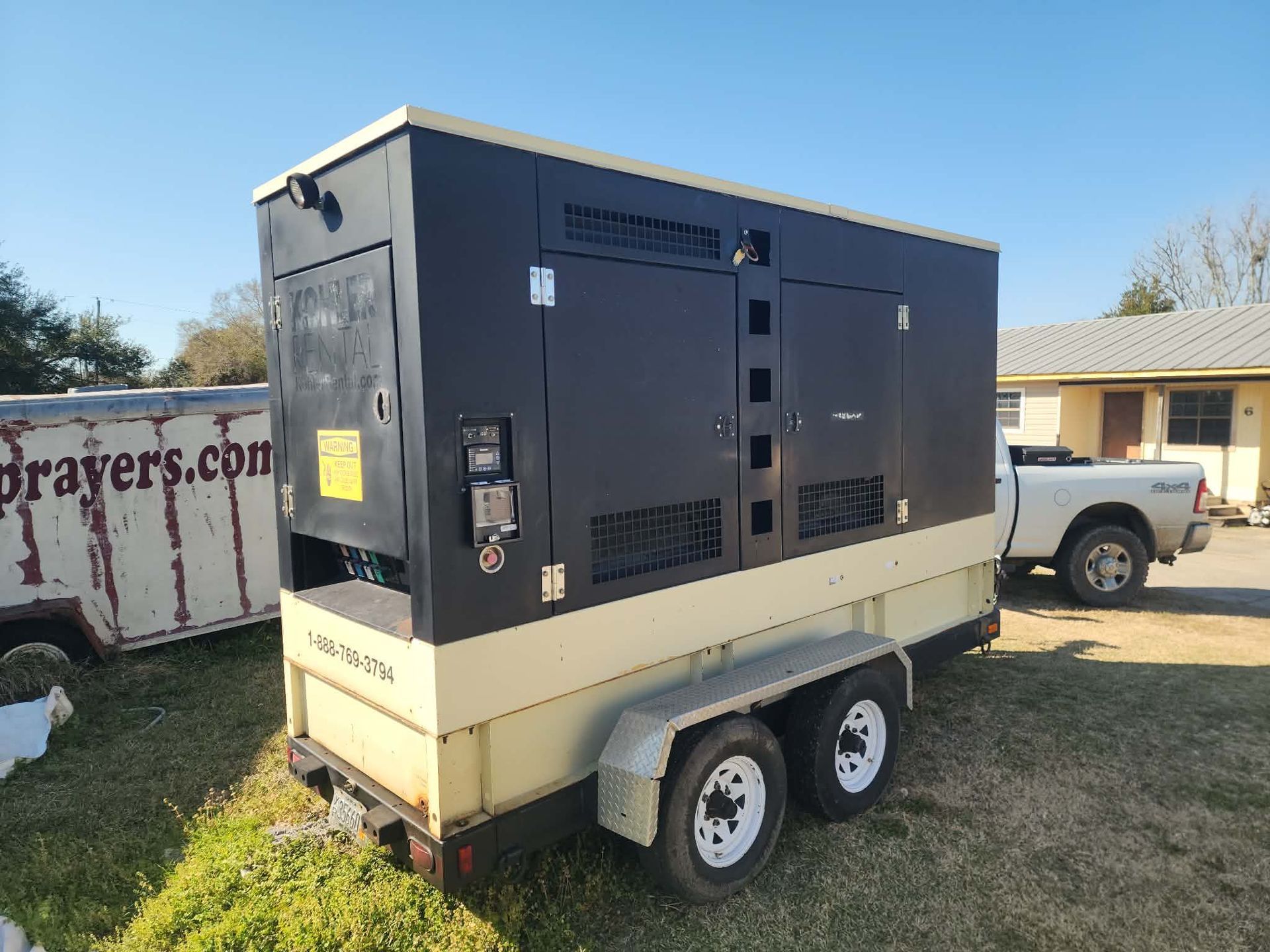
High-hour industrial generators eventually lose compression, develop oil consumption issues, or experience bearing wear that reduces output capacity and increases failure risk. Jake's Quality Services refurbishes large and industrial-grade generators when replacement costs exceed the value of rebuilding critical components to restore factory performance levels. This service applies to commercial facilities, manufacturing operations, and industrial sites where generator downtime directly affects production schedules or revenue.
Refurbishment begins with detailed inspection of the engine block, alternator windings, cooling system, and control components to assess wear patterns and remaining service life. Critical components—such as pistons, rings, bearings, and valve assemblies—are removed, measured against specification tolerances, and either machined back to standard dimensions or replaced entirely. The alternator is tested for winding integrity and insulation resistance, and damaged coils are rewound or replaced to restore full power output.
Request a site evaluation to determine whether your industrial generator is a candidate for refurbishment.
What Industrial Refurbishment Includes
The process focuses on performance, durability, and long-term operation rather than temporary fixes that extend service by months instead of years. Engine components are rebuilt to eliminate oil burning, restore compression across all cylinders, and return fuel efficiency to original levels. Cooling system components are descaled or replaced to prevent overheating under sustained load, and all control circuits are tested for proper voltage sensing and automatic shutdown functions that protect the engine from damage during abnormal conditions.
Once refurbishment is complete, the generator delivers rated kilowatt output without voltage sag under full load, starts reliably in all weather conditions, and operates continuously for extended periods without overheating or consuming excessive oil. Vibration levels drop as worn bearings and misaligned components are corrected, and fuel consumption returns to manufacturer specifications. The refurbished system performs comparably to a new unit at a fraction of replacement cost.
This service is suitable for generators that have accumulated thousands of operating hours but retain structurally sound engine blocks and frames. It does not include cosmetic restoration or upgrades to newer control technology unless those changes are necessary to restore functionality. If the generator has experienced catastrophic failure—such as a thrown connecting rod or cracked block—replacement typically becomes more cost-effective than attempting refurbishment.
What Businesses Need to Know
Industrial generator refurbishment involves technical decisions about component reuse, rebuild depth, and expected service life extension.
What determines whether a generator should be refurbished or replaced?
The decision depends on engine block condition, frame integrity, and whether critical wear components can be machined back to specification. Generators with cracked blocks, corroded frames, or obsolete parts that are no longer manufactured become poor refurbishment candidates. A detailed inspection provides measurable data about remaining material thickness, bearing journal dimensions, and winding insulation quality.
How does refurbishment extend the operational life of industrial units?
Rebuilding worn components restores compression, eliminates oil leaks, and returns moving parts to factory clearances. A properly refurbished generator can operate for several thousand additional hours before the next major service interval. The exact extension depends on operating conditions, load factors, and maintenance quality after refurbishment.
Why do industrial generators in Abbeville require more frequent attention than residential units?
Commercial and industrial generators often run at higher duty cycles, carry heavier continuous loads, and operate in harsher environments with more dust, heat, and vibration. These conditions accelerate wear on bearings, seals, and cooling system components. Regular inspection schedules help catch wear before it progresses to failure.
What performance improvements are noticeable after component rebuilds?
The generator starts more easily in cold weather, maintains tighter voltage regulation across varying loads, and produces less exhaust smoke during operation. Noise and vibration levels decrease as worn bearings are replaced and rotating assemblies are rebalanced. Oil consumption drops as worn rings and valve guides are addressed.
How long does a full refurbishment take for large industrial systems?
Complete refurbishment of an industrial generator typically requires several days to weeks depending on parts availability, machine shop lead times for component machining, and the extent of rebuild required. Jake's Quality Services provides a timeline estimate after the initial inspection reveals which components need rebuilding versus replacement.
Jake's Quality Services handles industrial refurbishment consultations for businesses and facilities throughout the Abbeville area operating large-scale backup power systems. Contact (337) 652-7654 to schedule an industrial service consultation.